


Google pushed Gemini into three marketing platforms in five days. Google Trends gets automated term suggestions. GA4 now forecasts cross-channel budgets. Search Console accepts natural language queries.
Google Trends Auto-Suggests Comparison Terms
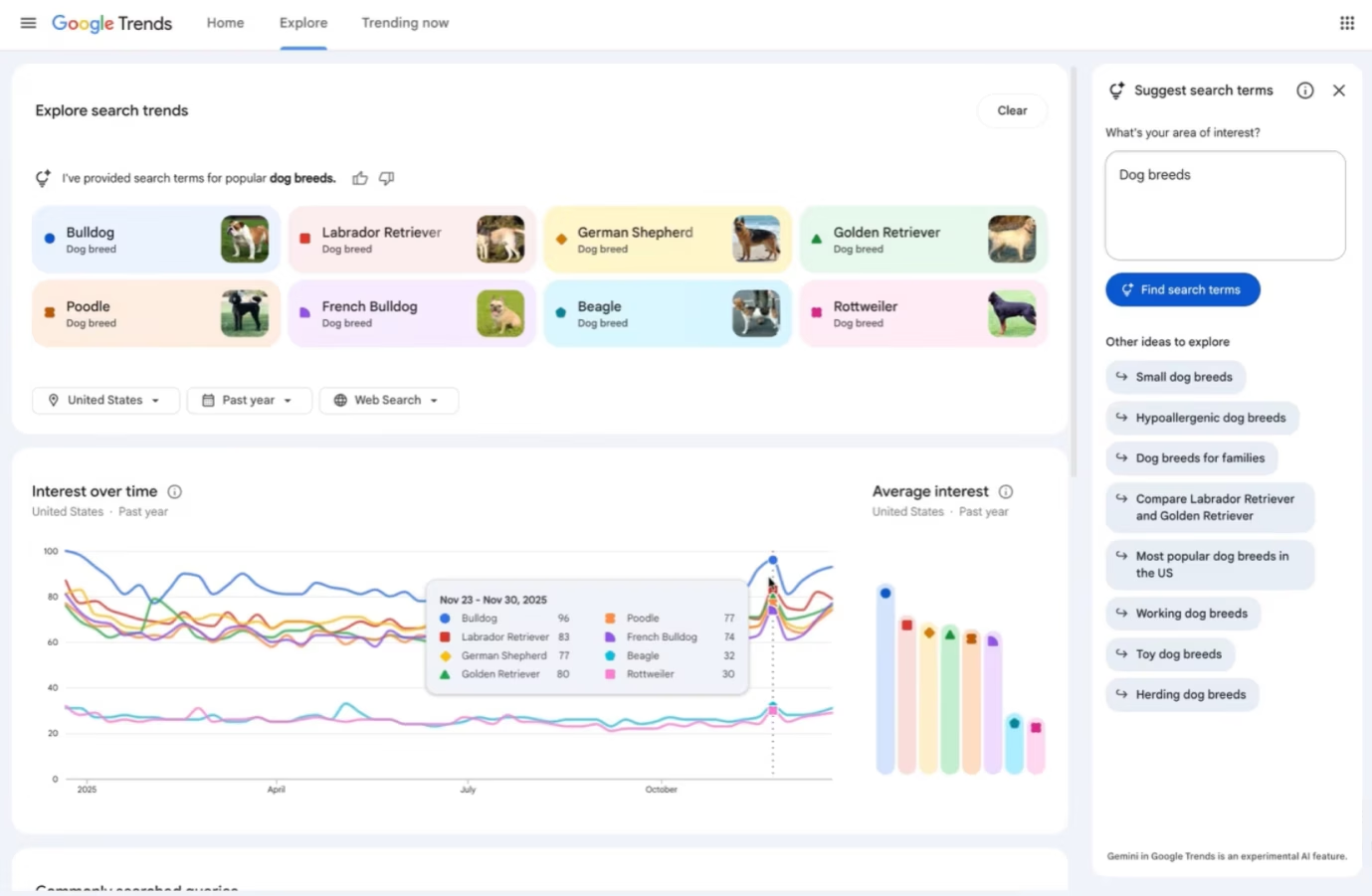
The redesigned Trends Explore page launched January 14. A Gemini sidebar now populates related search terms automatically, up to eight at once.
Search "electric vehicles" and it adds "EV charging stations," "Tesla Model 3," "hybrid cars" without manual input. Each term gets a color-coded line for easier comparison.
The sidebar suggests analysis prompts: "compare regional interest" or "show seasonal patterns." Desktop only for now, expanding globally.
This cuts keyword research time. Instead of guessing adjacent terms, you see what users actually pair together in search behavior. "Foldable phones" connects to "screen durability" and "repair costs," patterns that reveal user concerns beyond the obvious.
GA4 Forecasts Multi-Platform Campaign Performance
Cross-Channel Budgeting went live January 16 in beta. Two new tools:
- Projection Plans show whether current spend will hit conversion targets. Tracking toward 1,600 conversions when you need 2,000? You'll see the gap before the quarter ends.
- Scenario Plans model budget shifts before moving money. Test pulling $5,000 from Meta to Google Ads and see projected ROI impact.
GA4 now imports cost data from Meta, TikTok, Pinterest, LinkedIn, Snapchat. No more exporting to spreadsheets to compare Facebook against Google Ads performance.
The Conversion Attribution Analysis report splits customer journeys into Early, Mid, and Late stages. Someone sees a YouTube ad, clicks a Google Search result two days later, converts via email. You can finally credit YouTube for initiating the sequence instead of giving email all attribution under last-click.
Needs imported cost data, conversion tracking with values, and enough history for the algorithm to project accurately. Low-volume accounts won't get reliable forecasts.
Our cross-channel analytics guide covers how to unify data from multiple platforms. Google also launched Universal Commerce Protocol for Google Ads the same week.
Search Console Takes Natural Language Queries
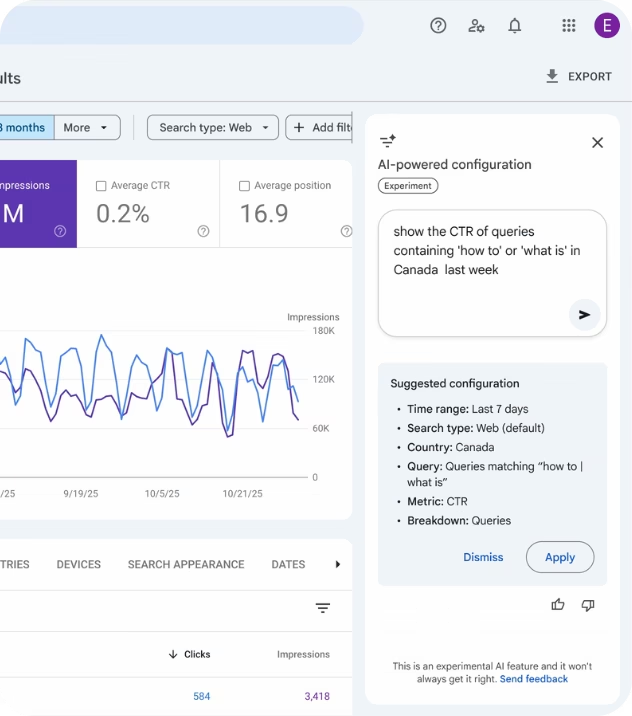
AI-powered configuration launched December 4, 2025, then expanded access through January 2026. Still rolling out gradually.
Type "Show mobile vs desktop CTR in Spain for the last 28 days" and Search Console builds the report with filters, date ranges, and metrics configured automatically.
Current limits:
- Performance report for Search results only (not Discover or News)
- No table sorting or data export
- Misreads complex queries
- 20 requests per day cap
Good for quick client call checks. Not production-ready for detailed analysis where filter mistakes compound.
Apple Picks Gemini for Siri Upgrade
Apple and Google announced a multi-year deal January 12. Gemini's 1.2 trillion parameter model will power Siri's contextual understanding starting late 2026.
Apple tested OpenAI and Anthropic first. They chose Google, reportedly paying $1 billion annually.
Voice search on iOS will handle multi-turn conversations better. Featured snippets and conversational content structure matter more for iOS traffic.
Rankings Still Moving After December Core Update
January 6, 12-13, and 15-16 saw ranking swings across tracking tools. No Google confirmation, likely aftershocks from December's Core Update.
Specialist sites gained visibility. Generalist content hubs dropped. Google keeps pushing toward topical depth over broad coverage.
Local businesses lose traffic even when rankings hold. AI Overviews with Local Pack push organic listings down. Users stop scrolling.
What Matters
Get cost data from all ad platforms into GA4. Model Q2 budgets with Scenario Plans before locking spend. A few test scenarios show which channels eat budget without returning conversions.
Segment iOS and Android traffic separately now. When Siri's Gemini integration launches, search behavior will split between operating systems. You need baseline data.
Verify Gemini's Trends suggestions against search volume tools. Automated connections start research, they don't finish it.
Depth beats breadth. Sites citing original research, unique data, first-hand testing outrank general summaries. If you're covering 20 topics superficially, you're competing with ChatGPT scrapers.
Automation handles execution. Strategy stays human. Tools can optimize budgets and surface patterns. They can't decide why your customer picks you over competitors or when to make budget bets data hasn't validated yet.



